
For Photographers Who Love Film But Don't Trust it Yet
You Switched to Film to Slow Down. So Why Does it Feel so
Stressful?
Film CONFIDENT is the self-paced course that teaches you to think like a film photographer, so you can stop guessing and know how your roll will turn out before you press the shutter.
Not ready yet? Watch the free training first →
It's not that film is harder. It's that nobody taught you to think like a film photographer.
You're quietly wondering why something that was supposed to feel slower and more intentional feels more stressful instead. Like you're guessing. Like you're wasting film. Like you should have this figured out by now.
And when you try to solve it on your own, it doesn't get easier. It just gets more expensive.
-
01
You keep shooting rolls to "figure it out."
You shoot, you hope, you wait two weeks. The scans come back too dark, or blown out, or just... off. So you try again, slightly different. Three rolls later you're $150 in, and you don't feel one bit more sure.
-
02
You fall into the research spiral.
One person says meter for the shadows. Another says the highlights. Someone else says "just overexpose." None of it is wrong. It's just incomplete, so nothing ever fully clicks.
-
03
You start second-guessing every frame.
"Is this exposed right?" "Should I change it?" "Did I just ruin that?" The medium you picked to slow down starts to feel heavy.
So eventually you put the camera down. Until one beautiful film image (yours, or someone else's on Instagram) pulls you right back in. You try again. Another flop.
That's the Film Yo-Yo, and photographers ride it for years.
It's no wonder so many of them quietly go back to digital "just to be safe," even when film is what they want.
Film isn't the problem. Your digital habits are.
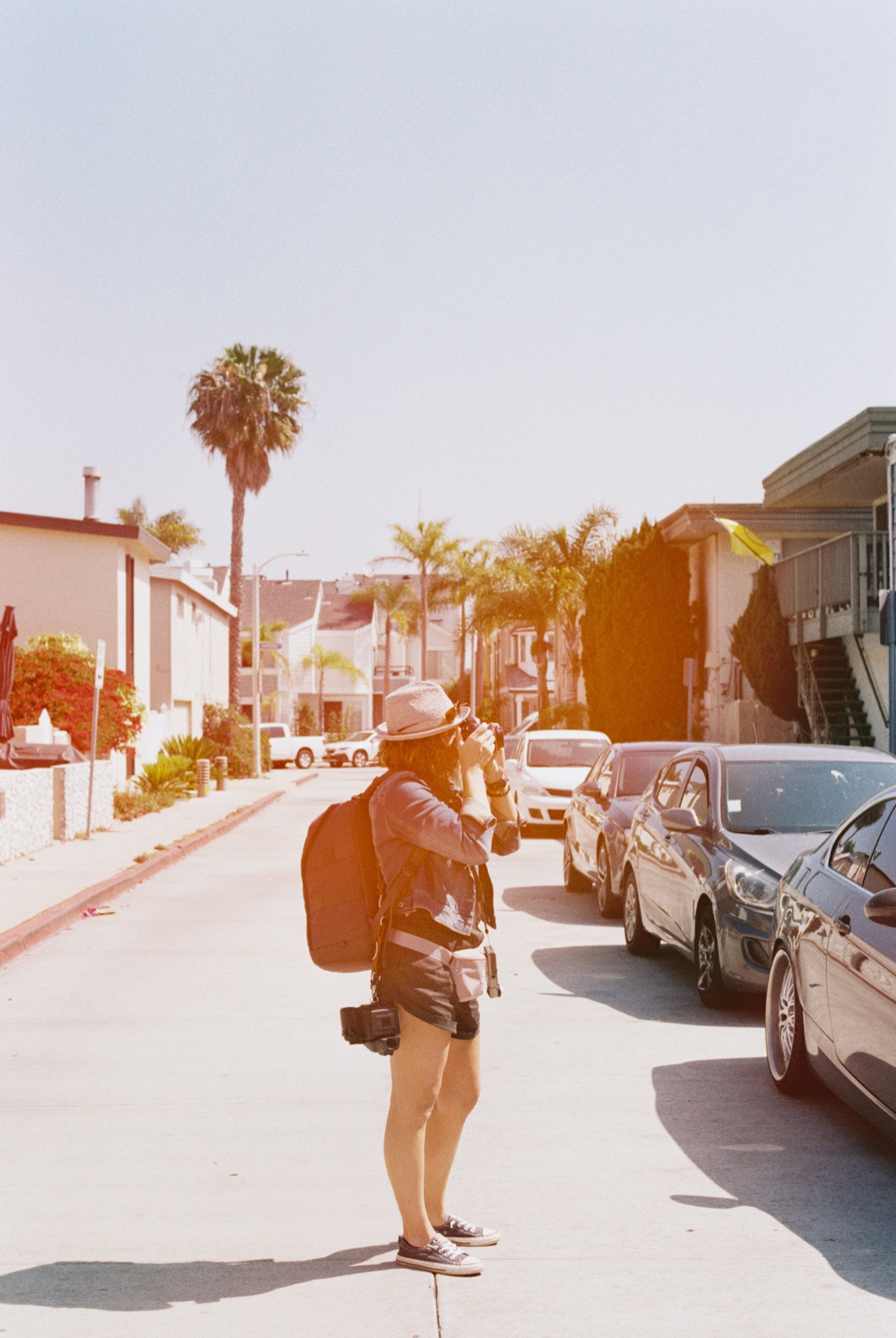
Digital trained you to react: overshoot, check the screen, adjust, fix it later.
Film rewards the opposite. Read the light, make a decision, and commit to it before you press the shutter.
I call the gap between those two the Digital Hangover.
You put down the digital camera, but your digital brain came along for the ride.
This is why “just shoot more film” never fixes it: more rolls with the same habits get you more of the same results.
But once you swap those habits for a film-first way of deciding, your results stop being random. You’re not hoping a frame worked. You chose how it would look.
As Seen On:


I learned this the long way.
I learned photography on film, back when there was no screen to check. In the darkroom, I learned from a teacher who studied under Ansel Adams, and exposure wasn't guesswork. It was understood.
Then digital came along, and I went all in. By 2014 I was shooting 600+ frames a session and editing until midnight, with two kids at home.
When I came back to film, I had to unlearn every digital habit I'd picked up and relearn how to see.
Within a year, I was shooting 5–7 rolls a session, sending them to the lab, and forgetting about them for two weeks while I lived my life. No editing marathons. No culling 600 images to find the 50 good ones.
That's what film gave back to me. And it only worked because I stopped guessing.
Nineteen years and 750+ families later, I still shoot my client sessions on film, and I've spent 10+ years teaching other photographers to do the same.
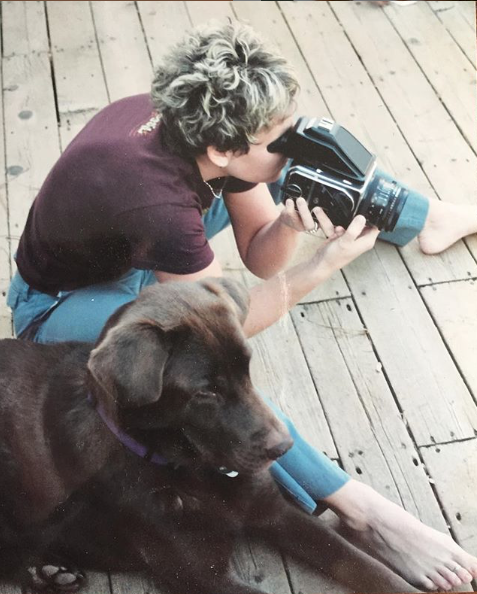
I feel like I'm more of an artist to slow down. And just everything is so intentional.
Film CONFIDENT Student
So I built the course I wish I'd had when I came back to film.
Where film finally makes sense.
The self-paced course that teaches you to shoot film like a film photographer (not a digital photographer holding a film camera), so you can load a roll already knowing it's going to turn out the way you want.
Perfect for you if...
- You love film, but it feels harder than it should
- You've shot some rolls, watched the tutorials, maybe taken a course, and you still can't predict your scans
- You're coming back to film after years of digital and your instincts feel rusty
- You shoot professionally and want to trust film enough to bring it to client sessions
The Film CONFIDENT difference
What changes when you stop shooting film like a digital photographer
- Know how your roll will turn out before you press the shutter (so the email from your lab feels like a reveal, not a verdict)
- Stop losing $40–60 rolls to guesswork, without buying a new camera or switching film stocks
- Trust what your meter is telling you, even when your in-camera and handheld readings disagree
- Trade the contradictory forum advice for one clear, repeatable process you use every time you shoot
- Meter for the look you want (airy, balanced or moody) on purpose, not by accident
- Talk to your lab with confidence, even if asking them anything makes you nervous right now
- Read your scans without panic, so a frame that didn't work tells you what to change instead of making you doubt yourself
- Finally feel ready to leave the backup digital camera in the bag
You stop hoping your film turns out. You know it will.
For me it is having the confidence that they will turn out instead of totally guessing and hoping. And understanding what I need to do to get the photo I want.
Film CONFIDENT Student
Here's what's inside
Seven parts, in the order film starts to make sense.
Part 1
How to Stop Approaching Film Like a Digital Photographer
Where the Digital Hangover ends.
Most film education skips this and goes straight to settings. That's why the settings never stick.
You'll learn
- Why film feels harder than digital
- What changes when you shift your approach
- What “thinking like a film photographer” means
- Why the soul of film matters in a digital age
→ You'll know which of your habits to drop first.
Part 2
How Film Actually Works
No more mystery. No more hoping.
Film responds to light differently than a sensor does. Here's what's happening inside the camera, in plain English.
You'll learn
- How film responds to light
- How film exposure behaves differently than digital
- Film stocks and formats
- Film “personalities”
→ You'll understand why your scans look the way they do.
Part 3
Overcome Metering Fear
Stop wondering if your settings are right. Start knowing.
Even if your meter has never made sense to you, this part makes it simple.
You'll learn
- Incident vs. reflective metering
- Where to put your meter
- Metering for light direction
- The most common metering mistakes
→ You'll take a reading and trust it.
Part 4
Metering for the Look You Want
Metering isn't just “correct.” It's creative.
The same scene can look airy, balanced or moody depending on what you meter for.
You'll learn
- Metering for color vs. black and white
- Metering for shadows, midtones and highlights
- Metering for different looks (airy, balanced, moody)
→ You'll meter on purpose for the image in your head.
Part 5
Rating, Pushing and Pulling Film
Two different things that everybody mixes up.
Rating a film differently and pushing it aren't the same thing, and confusing them is a quick way to lose a roll.
You'll learn
- Rating film vs. box speed
- When to push or pull
- What it does to the look
- How to communicate it to your lab
→ You'll know exactly what to do with a roll before you load it.
Part 6
The Film Photographer Shooting Workflow
Your simple, repeatable shooting process.
Confidence doesn't come from talent. It comes from not reinventing your process every time.
You'll learn
- The pre-shoot decision process
- How to choose film intentionally
- A step-by-step shooting sequence
- How to log exposures and reflect on your results
→ You'll have one process for every roll, every time.
Part 7
How to Read Your Results Without Panic
Your scans finally make sense.
Half of consistent film happens after you drop off the roll. This is the lab side nobody explains clearly.
You'll learn
- How to choose a lab and ship your film
- How to communicate with your lab
- How to get consistent scans
- How to analyze your scans and troubleshoot
→ You'll know what went right, what didn't, and what to change next roll.
Not only did you tell me how to do it, you told me why and showed me. Then you took it one step further and helped me cross the finish line with what to do with my film once a roll was finished: how to pick a lab, what to communicate, and how to get the results I want.
Included bonuses
And because film has a lot of moving parts...
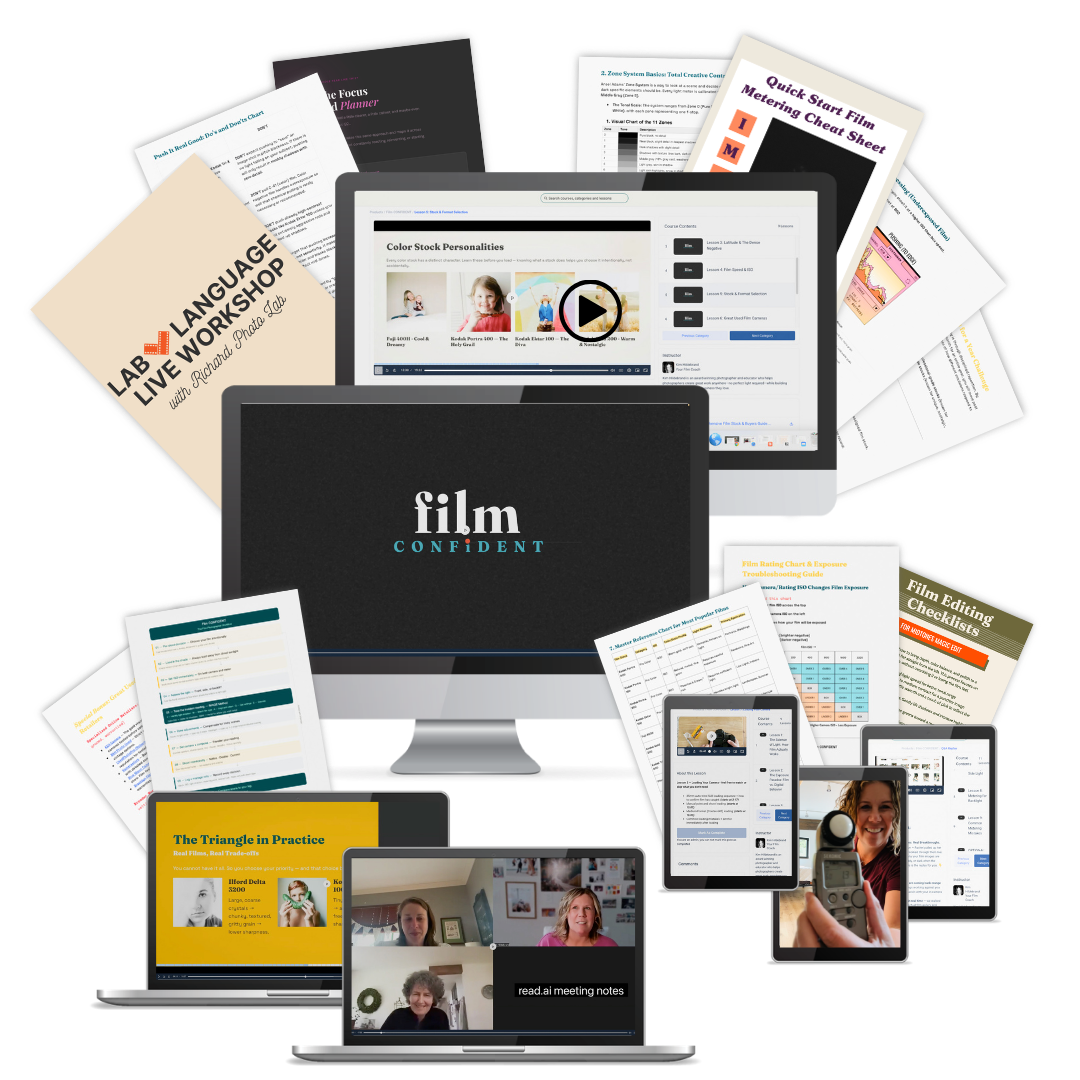
Film isn't just exposure. It's choosing stocks, troubleshooting, keeping track of what you did, and practicing until it sticks. So you also get the tools that keep you from piecing it together yourself.
-
Behind-the-Scenes with Kim: Live Film Shoot Walkthroughs
Watch me load, meter and shoot in real time, so you see how every step fits together on a real session.
-
The Comprehensive Film Stock Reference & Buyers Guide
Know which film to choose (and why), so you stop spending money experimenting blindly.
-
Film Rating Chart & Troubleshooting Guide
See exactly how your ISO choices change your exposure, and what went wrong when a roll comes back off.
-
Metering for Creative Control Cheat Sheet
Real examples of how different metering choices change the final image, for when you're on a shoot and need a quick reminder.
-
The Film Photographer Workflow Handbook
Your whole process from shooting to scans, on paper, so nothing feels out of order.
-
30 Day Film Challenge
Thirty days to slow down, notice, and shoot with intention, so the new habits stick.
-
The Film CONFIDENT Student Community
A place to share your rolls, ask questions, and learn alongside photographers who get it.
What Film CONFIDENT students say
Your course has been amazing and has saved likely years of trial and error.
I love that you explain what each of those things actually does, instead of just telling me to do it.
I feel much more confident in my ability to charge for film sessions now. In fact, someone recently reached out to book specifically because I shoot film.
Everything you get inside
The 7 parts
-
Part 1How to Stop Approaching Film Like a Digital Photographer$297
-
Part 2How Film Actually Works$297
-
Part 3Overcome Metering Fear$297
-
Part 4Metering for the Look You Want$397
-
Part 5Rating, Pushing and Pulling Film$297
-
Part 6The Film Photographer Shooting Workflow$347
-
Part 7How to Read Your Results Without Panic$297
The 7 bonuses
-
BonusBehind-the-Scenes with Kim: Live Film Shoot Walkthroughs$397
-
BonusThe Comprehensive Film Stock Reference & Buyers Guide$147
-
BonusFilm Rating Chart & Troubleshooting Guide$147
-
BonusMetering for Creative Control Cheat Sheet$147
-
BonusThe Film Photographer Workflow Handbook$147
-
Bonus30 Day Film Challenge$97
-
BonusFilm CONFIDENT Student Community$197
-
PlusLifetime accessIncluded
Complete your order to unlock your First Roll Checklist bonus, plus a peek inside something secret.
The Trust the Roll Promise
Start Film CONFIDENT. Watch the first parts. Try the process.
If it isn't starting to make sense, if you're still guessing at your meter, still dreading your scans, still wondering why one frame worked and the next one didn't, email me within 14 days at [email protected] and I'll refund you. No hoops, no hard feelings.
I can offer that because I've watched this process work for photographers starting from very different places: returning shooters, working pros, and people who'd only shot a handful of rolls.
This Could Be You
Real Rolls. Real Shifts.
Real Confidence.
"I gasped when I got it. My dreams are coming true. This is it."
Rachel W.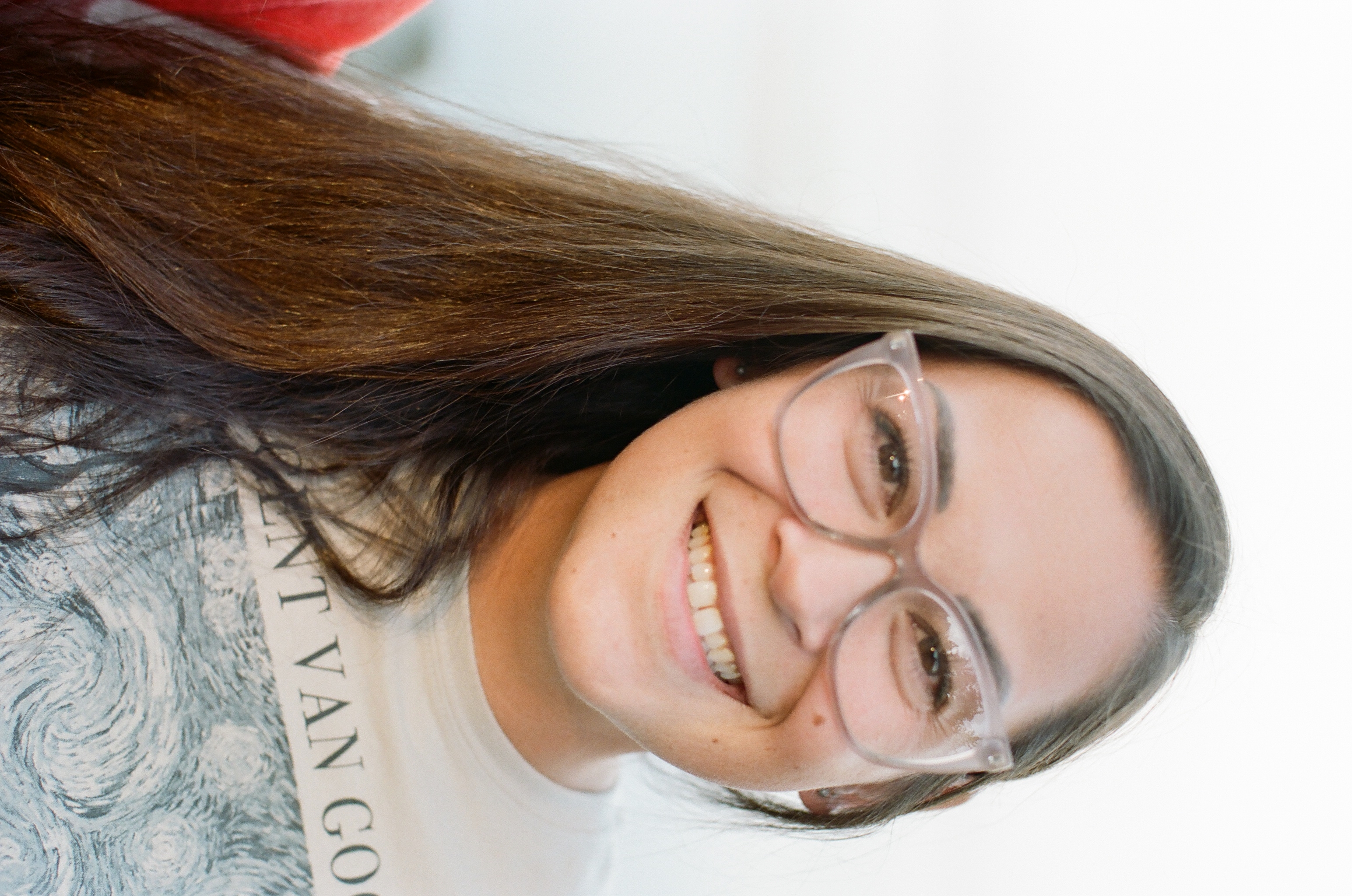
"Film has a soul."
Susan B.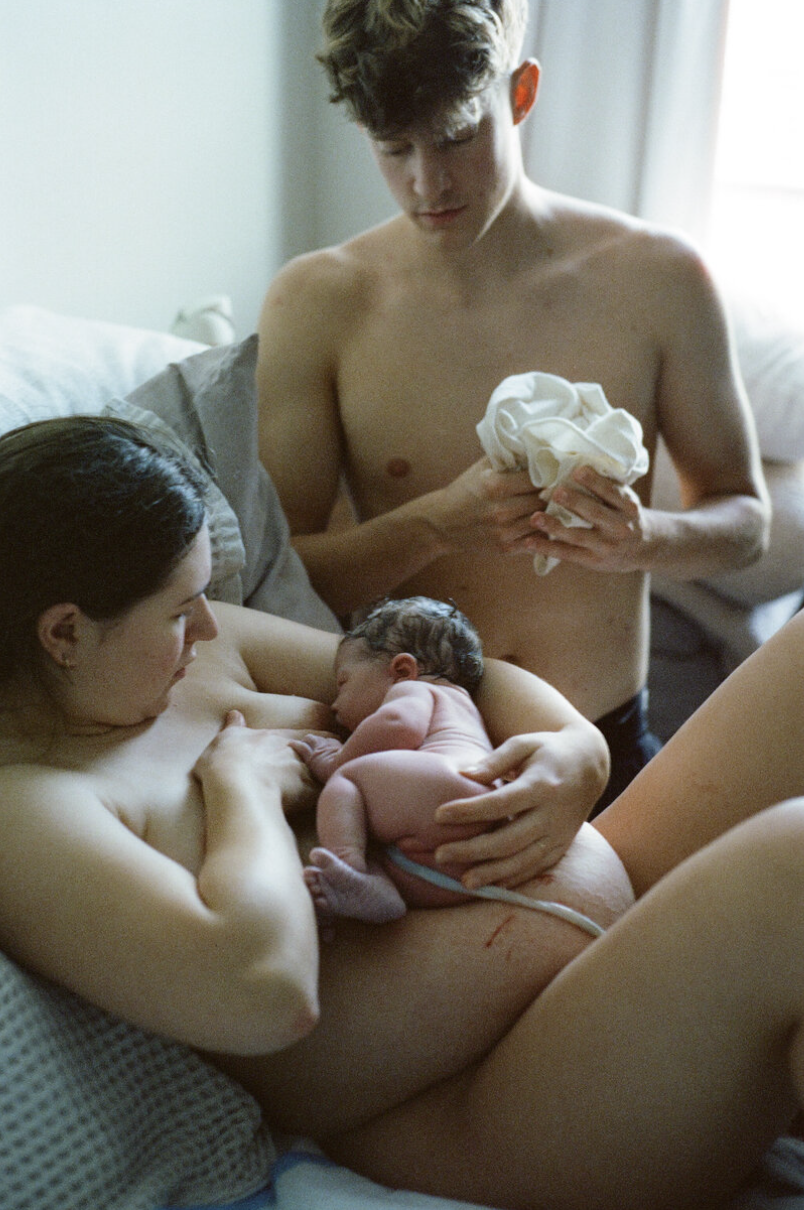
"I jumped all in and haven't looked back."
Heather W.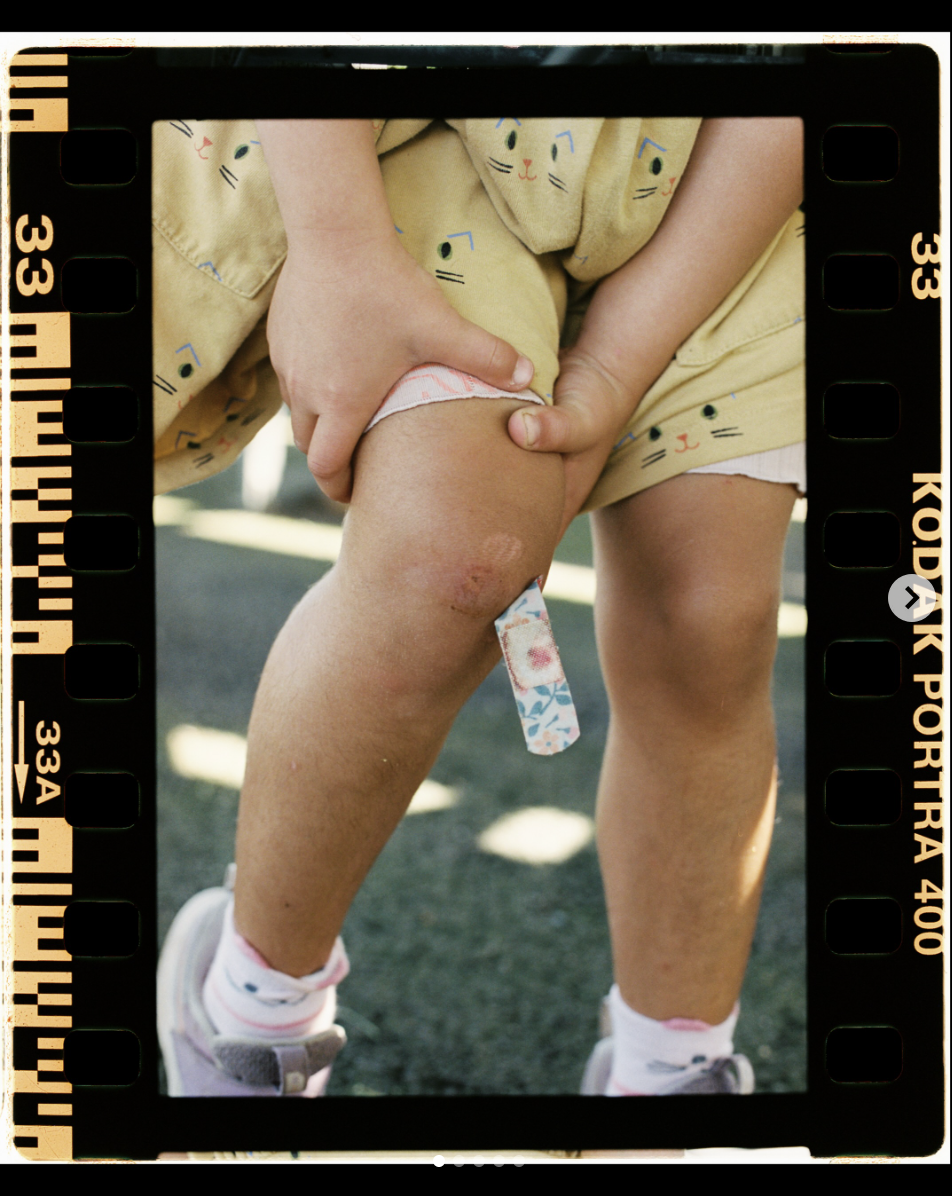
"I would've never had the confidence to do that."
Janae B."I realized I've been metering for the shadows and midtones, and likely not doing it properly every time."
Film CONFIDENT Student"It's broken down into such small chunks, like I am understanding it."
Film CONFIDENT Student"Well explained! Wouldn't change a thing, Kim!"
Metering Made Easy Student"These are things I never even thought of...it completely changed the way I thought about photography (40 years)."
Jerry, long-time film shooterHere's the part that doesn't go on a price tag.
Every roll you shoot with the old habits is another $40–60 you don't get back.
And the moments you want on film (your kids at this age, this season's light, next month's client session) don't wait while you piece it together from YouTube.
You don't have to rush through Film CONFIDENT. But you do get to decide when the guessing stops.
Questions?
I came from the free training. Where are the VIP bonuses?
Those were for the week after the live training, and that window has closed. Everything on this page is still yours: all 7 parts, the included bonuses, the community, lifetime access and the Trust the Roll Promise, at the same $397.
What if I'm still a beginner?
You don't need to be advanced. You just need to be ready to understand what you're doing. Film CONFIDENT gives you a clear, simple foundation, so film makes sense no matter where you're starting from.
Do I need a handheld meter?
Not to start. You'll learn the logic of metering first, so you understand what you're doing and why. But I do recommend getting one before you dig into metering. It's the easiest, most consistent way to expose film well. (My top pick is the Sekonic L-358.)
Can't I just keep learning on my own?
You can. But that's usually what keeps people stuck. Most free advice is fragmented: one video says meter for the shadows, the next says the highlights. Film CONFIDENT gives you one clear, repeatable path, the same one I learned in the darkroom before digital existed and have used ever since.
What if I still mess up rolls?
You will, and so do I. That's part of film. The difference is that you'll understand why a frame didn't turn out and what to change next time, instead of blaming yourself and guessing again.
Will this work in tricky light?
Yes. Parts 3 and 4 teach you where to put your meter, how to meter for light direction, and how to meter for the look you want, so you're not waiting for perfect light. If indoor light is your biggest struggle, my Metering Made Easy mini-course goes deeper on that, and it's available separately.
How long does it take?
It's self-paced, and you have lifetime access. Most photographers move through it as fast as their lab can turn scans around, because the real learning happens when you shoot a roll and see what came back.
Is there a payment plan?
Yes: 4 monthly payments of $119. Pay in full and it's $397.
What if it's not for me?
Then you're covered by the Trust the Roll Promise. Email me within 14 days and I'll refund you.
Film CONFIDENT isn't for you if...
- You want quick tricks without changing how you approach film
- You're looking for a preset or an aesthetic shortcut
- You're not willing to practice and build real understanding
You could keep piecing it together: another YouTube video, another forum thread, another roll to "figure it out." Some photographers get there that way, eventually. It just costs them years, and a lot of film.
Or you can drop the Digital Hangover now, learn one clear way to think like a film photographer, and start loading rolls already knowing how they'll turn out.
You switched to film to slow down. It's time for it to finally feel that way.
$397 or 4 × $119 · Lifetime access · 14-day Trust the Roll Promise
Still deciding? Watch the free film training first →
Where film finally makes sense.
Questions? Email me at [email protected]